المعرفة
Dextrose 2: More Than Just a Sweetener
Diving Into Dextrose 2
Dextrose 2 is one of those ingredients on a label that sends most people reaching for their phone to search. In the simplest terms, dextrose is a form of glucose, and the “2” usually marks a certain grade or particle size, mostly used in food processing. Picture a white, slightly grainy powder that goes into everything from sports drinks to baked goods. On a grocery store trip, it’s easy to overlook dextrose, but it sneaks into our meals in ways people don’t always expect.
Why It Shows Up Everywhere
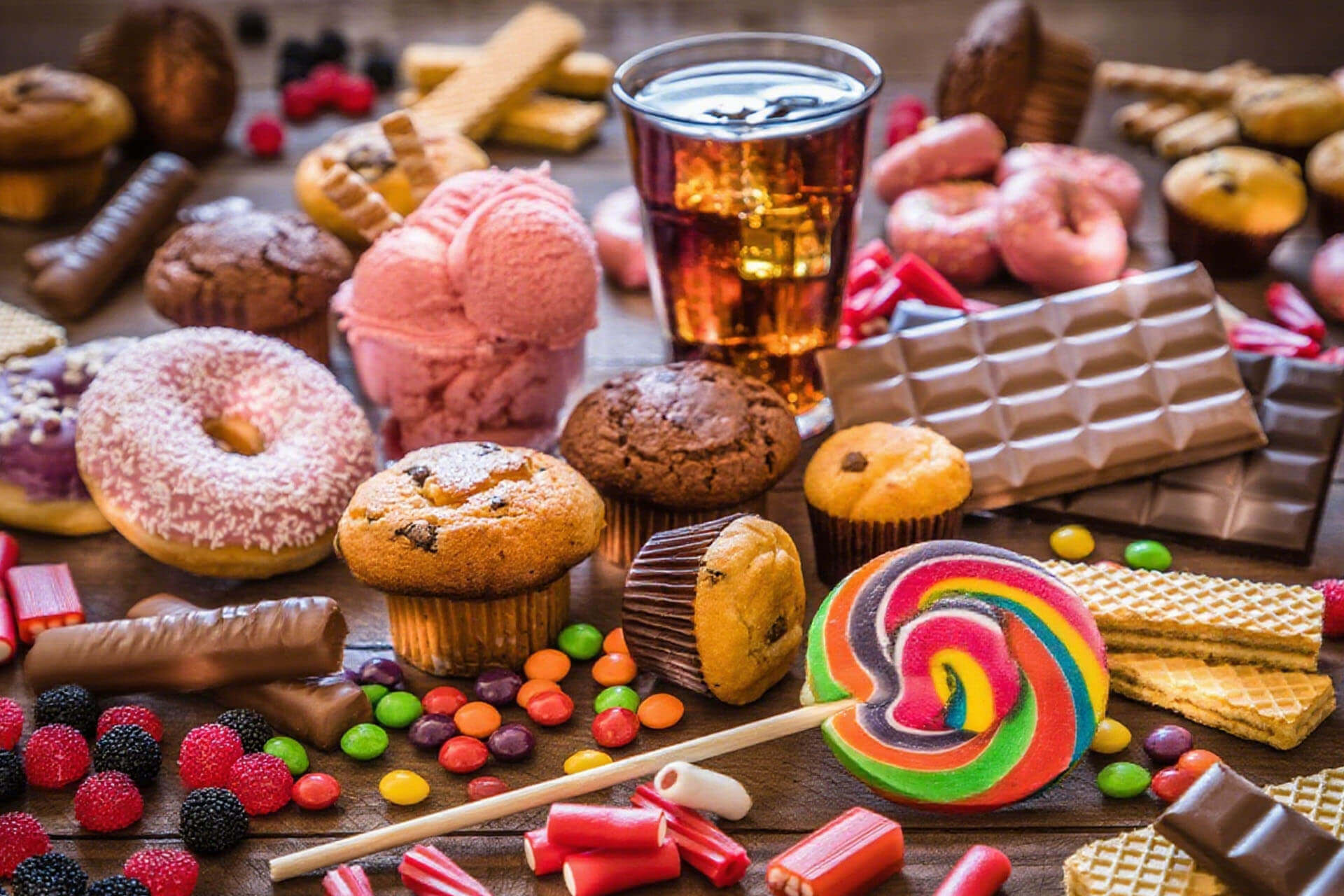
For food manufacturers, dextrose 2 is like a reliable backup quarterback—ready to do the job without fuss. Its flavor lands a bit less sweet compared to table sugar, but it does more than change taste. Dextrose 2 helps bread brown, keeps ice cream from freezing rock-hard, and keeps energy drinks from tasting flat. You often find it in packaged tortillas, breakfast bars, and candy. That wasn’t true for snacks in my childhood, but it’s almost everywhere today.
There’s a reason for that. Dextrose dissolves quickly, which makes it easy to fold into syrups and mixes. In baking, quick solubility stops grainy textures. Cooks at home rarely reach for dextrose the way they grab sugar, but commercial bakers prefer it for predictability. In candy-making, it helps set the right texture, keeping things chewy instead of rock solid. There’s science in that, not just habit.
Looking at Nutrition And Health
The rise of dextrose use tracks closely with demands for shelf life and cost reduction. It’s a straightforward carbohydrate, and the body breaks it down quickly. Athletes sometimes turn to dextrose for a fast energy boost after a workout, since it lands in the bloodstream almost as soon as it hits the stomach. That said, most people aren’t refueling after marathons, so this kind of sugar can easily tip diets toward too much energy with not enough satisfaction.
The diabetes community keeps a close eye on ingredients like dextrose because it spikes blood sugar levels fast. The glycemic index of dextrose sits right at the top—nearly 100, which is higher than almost anything found naturally in foods. Snack foods and soft drinks can raise glucose readings quicker than a bowl of rice or fruit. Nobody needs a lecture about sugar, but the point hits home—once dextrose 2 goes into a daily lunch, chances for a sugar crash or unwanted weight gain go up.
Building Better Habits and Better Products
The food industry can’t just yank dextrose out overnight, but real changes happen with better awareness and honest labeling. Swapping out refined sugars for slow-burning carbs—like oats, beans, or even certain fruits—makes a noticeable difference on hunger and health. Parents get creative, turning fruit into snacks or sneaking more fiber into breakfasts, shifting away from sugar spikes. Some local bakeries have started rotating in natural sweeteners like honey or maple syrup, and customers pick up on those small changes.
Manufacturers who listen to feedback notice shoppers want more than cheap calories. They look for energy that doesn’t fade right away—or send kids into a frenzy and crash. The marketplace for snacks made with substance is growing, and dextrose 2 isn’t always invited. Kids might not notice if their treat has less dextrose, but their bodies will thank them.